Feeds:
Posts
Comments

Archive for the ‘Nature’ Category

Not all monkeys like Smartphones

Not all monkeys like Smartphones

Blast!

I hope that’s not swearing! It used to be, but these days probably is no longer… I suppose.

Otherwise, what do you say when you’re tweeting away on your laptop to your heart’s content, then struggle with one of those new-fangled Smartphone gadgets offered to you as a gift?

Struggling to make my brand new Smartphone behave, I took it with me on my last trip to see my son in France. He installed Twitter, set it up over WiFi so that I wouldn’t incur prohibitive roaming fees and gave me an induction course on Android ‘gesture control’. He whistled through setup menus effortlessly as though it was an extension of his hand.

And wow, what fun I had watching my followers grow by the hour as I tweeted with them around the world from the comfort of the sofa.

Then I returned home.

The birdsong continued to twitter merrily on the laptop – competing with those in the natural world – but my dear little Smartphone stopped tweeting altogether. Of course I needed to connect it to my own WiFi. My son showed me how to do that – in France.

But back home, things were not so simple. Where is that WiFi menu again? Swipe down? But I don’t see the same thing as I did in France!

My son spent 30 minutes on the phone from France trying to guide me through the menus, but the damn thing just wouldn’t behave. The screen kept fading in and out, the menus didn’t respond properly and I really got myself in a ‘tiz-woz’. I was never able to get to the screen to enter the security key to connect to WiFi. In the end we gave up.

Did someone say they these gadgets were easy to use? Perhaps it is me. Perhaps my karma is creating a real-time distortion field around the Smartphone.

My son says it’s down to the display. Android devices use ‘resistive’ touch screens – great if you have long finger nails because they work with pressure. I don’t, so Apple’s ‘capacitive’ displays are apparently much easier to use. They work by the electric current in the finger tip and are more accurate.

Can I suggest that Carphone Warehouse salesmen get some extra training then and inspect fingertips before making their recommendations?

You can’t mess with Mother Nature.
Read Full Post »

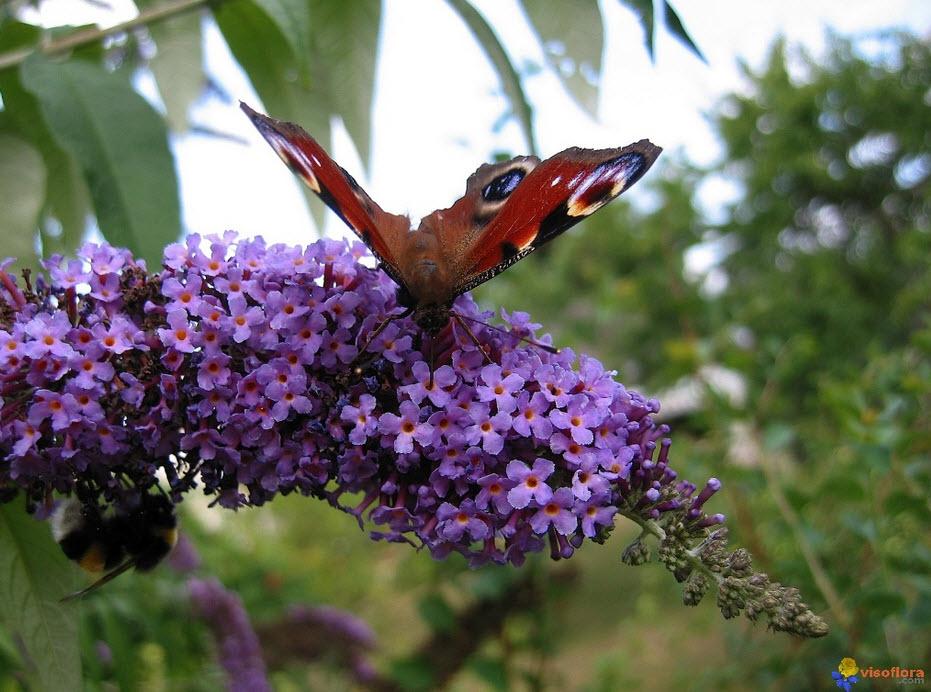
Butterflu sucking nectar from a Buddleai blossom

A Peacock butterfly sipping on Buddleia nectar

I have a love-hate relationship with my garden Buddleia bushes – now grown trees – even after last winter’s pruning. Buddleia was first brought to the U.K. in the 1890’s from China and has spread like wildfire across the globe. In Chile the “dead heads” are sold as tea! It’s very attractive if kept in check.

Just as I was searching for my long-handled clippers, I noticed a flurry of butterflies – unusually scarce this year due to wet weather affecting flowers, tree blossoms and shrubs. The reward for showing restraint in my pruning has been Red Admirals, Peacocks, Tortoiseshells and Large Whites. Now I know why it’s also known as the ‘butterfly bush’. Fingers crossed to see if the Six-spot Burnet moth “checks in”.

So show restraint when you’re feeling overwhelmed by your Buddleia – a festival of butterflies is just around the corner.

Read Full Post »

Plant a tree!

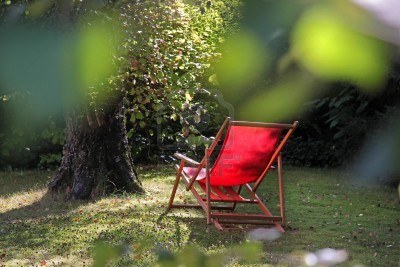
A red deckchair primed for its lazy occupant

A red deckchair primed for its lazy occupant

What more can one wish for than to sit out in one’s garden under the shade of trees. It’s so much nicer to enjoy when everyone else is experiencing the sweltering heat of this current English summer!

When my husband and I first moved in some years ago, the garden was long, flat and uninteresting.  We now enjoy a mixture of Apple, Holly, Poplar, Californian Sequoia, Willow and a Yew hedge, which the Council informed me is over 200 years old!! Just imagine, Napoleon was authorising the use of the Metric System, Henry James was being born to the world and Jane Austen’s “Pride and Prejudice” was being published.

Yes, there is still space to relax in an easy deck chair situated on a small robust lawn, surrounded by grape vines (grapes sometimes) and laurel. The birds enjoy the natural surroundings as do the squirrels and wood pigeons – when they are allowed!

Trees provide shade and shelter for wildlife and play a significant role in moderating the climate. So… plant a tree in your garden!

Read Full Post »

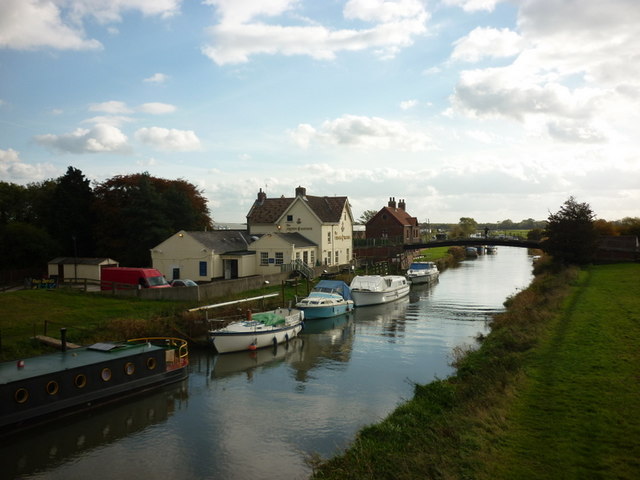
Tickton Crown pub 2

The River Hull, Tickton
(c) Image Copyright Ian Sykes (see below)

Last Tuesday’s hot sunny afternoon brought Nature out in all its glory. I just had to get out of the house and set off to Tickton for a ramble along the River Hull with friends.

It should have been a short journey, but the road works and delays on the A164 put paid to that. We arrived a little late, but everyone was in high spirits.

It was warm and humid. High-flying swifts darted through the azure skies. Only the huge roar of jet engines overhead could momentarily break the silence of this idyllic scene straight from a Constable masterpiece. You know, cattle munching grass in the meadow, oil seed rape and wheat struggling in the fields, having endured drought and a long hard winter. Yellow irises colouring the river bank were a sign of the regeneration taking place.

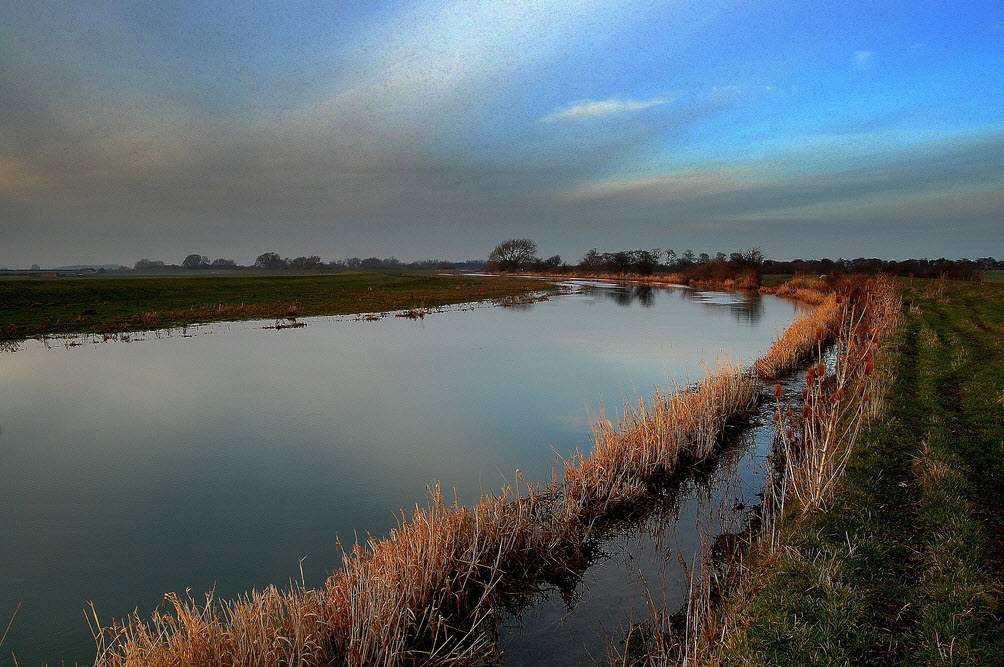
River Hull looking towards Pulfin Bog

River Hull looking towards Pulfin Bog

Our arrival at Pulfin Bog further down the river bank was a sheer delight; lots of trees and wildflowers – but the decay of Ash trees set against green flashes of foliage was a sad sight to behold.

One highlight of the afternoon was observing a flotilla of geese led by a rogue swan! A surprising example of entrepreneurship perhaps, whilst his fellow swans were lazing in the warm afternoon sun.

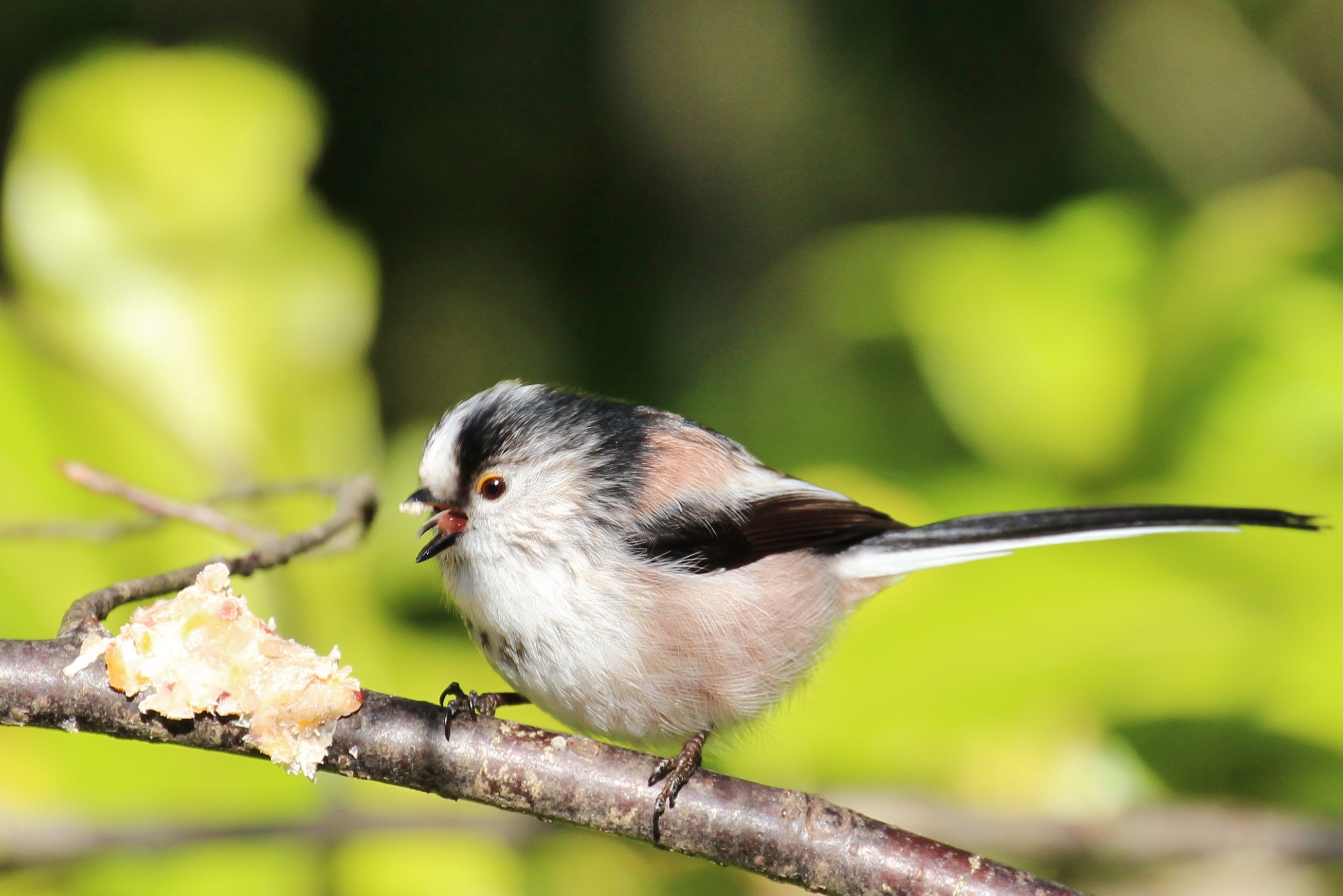
Long tailed tit

A long-tailed tit

But the “The jewel in the crown” was the long-tailed tits flitting from branch to branch accompanied by the melodious tone of a thrush!

My river bank trail was just the tonic to shake off the winter-time blues as we hopefully enter summer.

Copyright notice
  1. Image Copyright Ian Sykes. This work is licensed under the Creative Commons Attribution-Share Alike 2.0 Generic Licence.

Read Full Post »

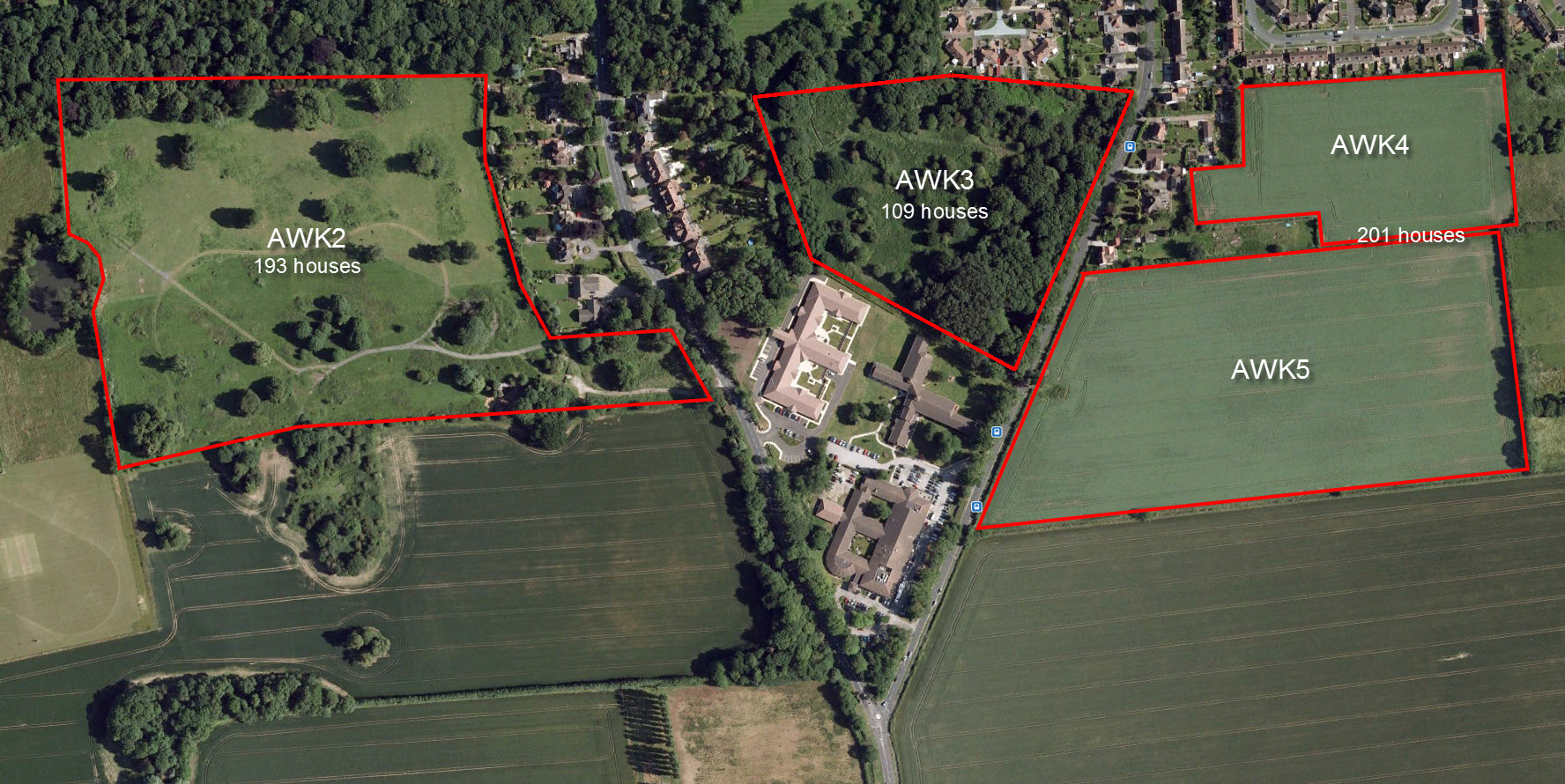
Wildlife threatenedby policy AWK2 and AWK3 in Beverley, Lowfield Road former army camp

Wildlife threatened by policy AWK2 and AWK3 in Beverley, Lowfield Road former army camp

In the early days of World War II there was a national scare and huts were erected on the west side of Lowfield Road, known locally as ‘camp’.

The huts have long since gone, the trees and undergrowth have gradually taken over, creating a habitat for wildlife such as deer, fox, squirrels, owls and woodpeckers (particularly the green woodpecker with its long sticky tongue).

This haven known to the council as AWK2 and AWK3 (see legend) is now under the threat of housing developers looking to build 193 and 109 dwellings respectively. If you include the homes planned for fields just opposite in sectors AWK4 and AWK5, that makes a total of at least 500 new cars to cope with in the village centre. You’d be forgiven for thinking that this is good news for shopkeepers. The problem is, without adequate parking, shoppers will be driven to other nearby commercial zones. There appears to be no plans for more public parking. The Lowfield Road/Beverley Road junction already causes traffic problems.

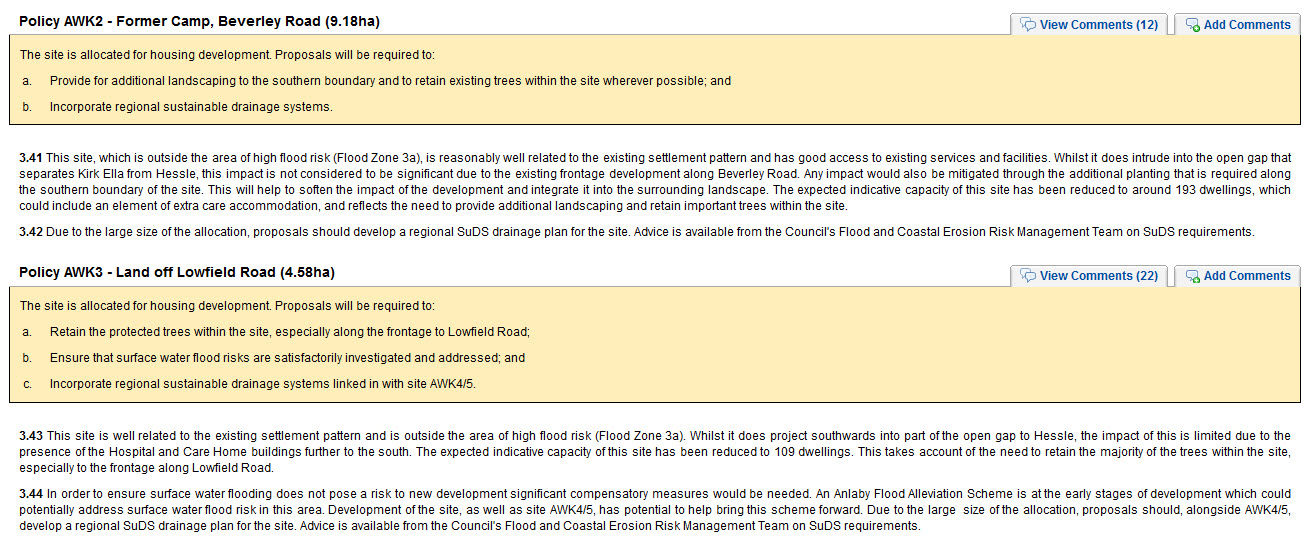
The local development plan makes reference to retaining protected trees, but many will be cut so what of the creatures sustained by existing undergrowth and woodland? The hospital and sheltered housing development, despite similar reassurances, spared mainly those trees bordering the road.

Housing Development Policy AWK2 & AWK3

Housing Development Policy AWK2 & AWK3

And a project of this nature isn’t going to reduce the risk of floods – that’s less open land to absorb abnormal bouts of precipitation.

Can you imagine a housing estate on this woodland site adding to traffic congestion?

If not, then you can object by email: forward.planning@eastriding.gov.uk

Or by post to:

Forward Planning,
Room FS32,
E.R.Y.C.
HU17 9BA

Telephone: 393780

Or sign the petition by clicking here.

Read more here, scroll to “Major Haltemprice Settlements” and here.

Read Full Post »

RSPB Garden Bird Watch

A pair of bullfinches

A pair of bullfinches

Last weekend was the RSPB Garden Bird Watch .

The snow has almost disappeared, inevitably to return… it’s warm, sunny and bright, so I started counting birds. Bullfinches, chaffinches and all their fellow finches, not forgetting tits, blackbirds, hedge sparrows and surprisingly three robins at the same time. But where were all the thrushes?

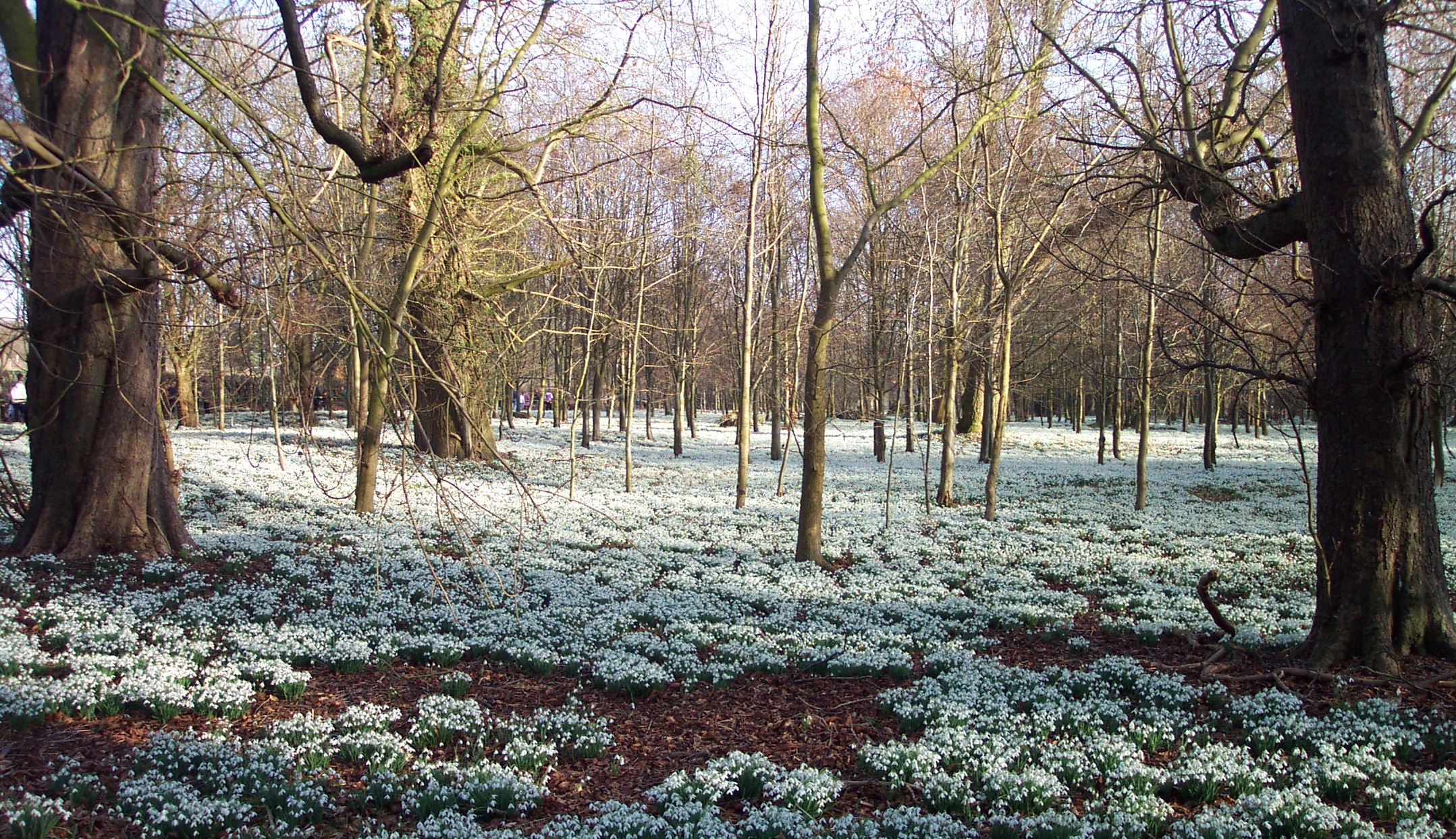
What’s more, bulbs are popping up in gardens and verges. Is Spring just around the corner? Tomorrow perhaps a snowdrop will appear.Snowdrops Keep feeding the birds! They’re worth it!

Read Full Post »

Hooray! Humberside Airport is extending its flights to a wider range of destinations for travellers in the Humberside region. There must be millions of us!

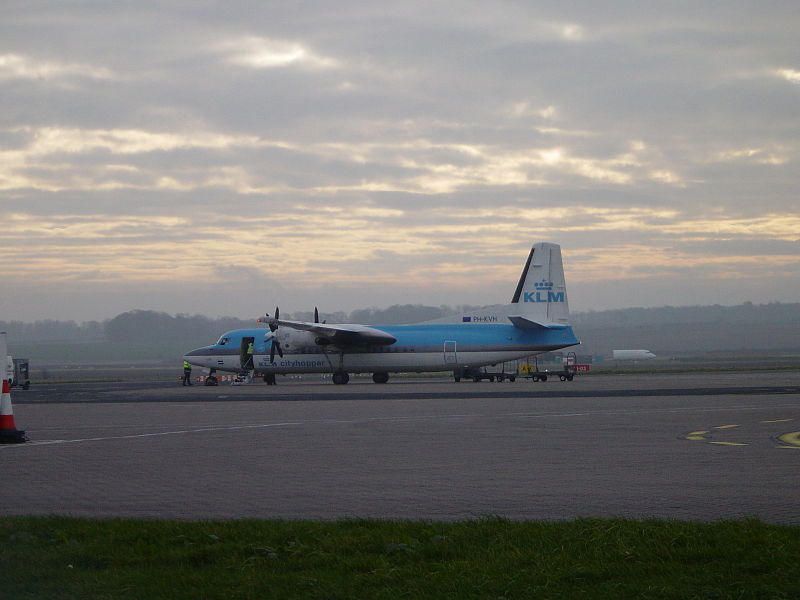
A KLM flight on the apron of Humberside Airport

This former RAF bomber command base played an essential role during wartime years. The base was purchased by former Lindsey County Council, which with further investment was brought up to Civil Aviation standards. Thanks to their foresight! When Humberside County Council was formed in 1974, LCC transferred the airport to it as an ‘arm’s length’ company. After the reorganisation of councils in 1996, the airport was transferred to the unitary authority. Eventually as years passed by, Manchester airport owned the majority shares and North Lincolnshire Council retained a shareholding. With this latest news, the airport will take on a new lease of life.

I remember the days when during Humberside County Council’s ownership, the transportation of live veal calves to the Continent took place on a very regular basis. The idea was to create more business for the airport. Under the auspices of Compassion in World Farming – a campaign I became involved in – there was a lot of attention surrounding this trade and the practise was eventually banned.

Audrey Hepburn – Paris When it Sizzles

I do wish Paris would reappear on the list of flight destinations! I love Paris in the springtime. I love Paris when it sizzles!

Read Full Post »

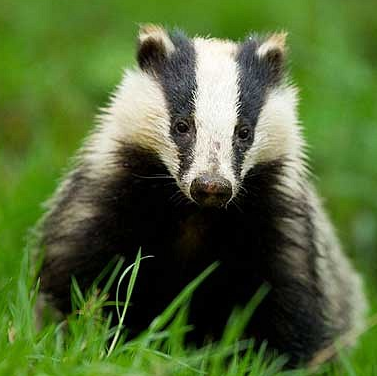
The badger – an icon of the English countryside set to disappear?

Sir David Attenborough, Simon King OBE and Brian May CBE of rock group Queen are resisting the move by government mandarins to cull 70% of badgers from the English countryside. Attenborough’s and King’s outcry combined with May’s petition is a welcome boost to the Badger Trust’s efforts to save this iconic creature from mass slaughter.

Many leading scientists have stated that a cull this autumn will not work and may even increase the spread of bTB (bovine tuberculosis). The majority of scientists agree that the vaccination of badgers and cattle is a far better and more cost-effective option.

It’s science not sentiment that’s driving our opposition to the Government’s policy to cull badgers in Gloucestershire and Somerset this autumn.

Sir David Attenborough and Simon King OBE

Licenses were granted last week for pilot culls in Gloucestershire and Somerset. According to one of the government’s advisers, there is no real way of knowing how many badgers there are in any given area and therefore no way of measuring whether the 70% target has been achieved or not. They may end up killing them all!

The question is this: who would you rather believe? Attenborough – a man whose proven track record is to preserve nature (including cattle) or the mandarins of power that for reasons of public opinion “need to be seen to be doing something”.

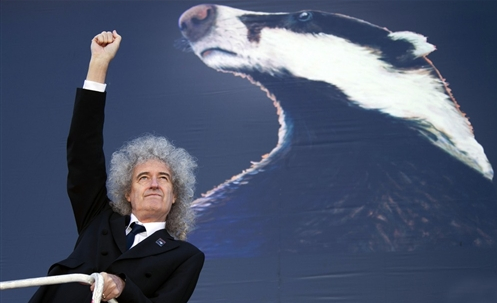
Brian May defiant against government plans to cull the badger

Plans to cull badgers in Wales were recently abandoned in favour of vaccination and there are no plans to cull in Scotland. So why does it make so much sense in England?

If you are against this cull, sign Brian May’s petition posted on HM Government’s e-petition site.

UPDATE: According to the BBC, Natural England has issued a second licence allowing farmers to shoot badgers.

Read Full Post »

Rain, rain go away

As the Boeing 737 approached Berlin Schoenefeld, a grey sheet of cloud replaced the blue skies of the North Sea with fluffy cumulus nimbus that clouded our view and cleansed the city air with sheets of rain.

I got drenched dashing across the airport tarmac and arrived at Motel One soaked to the skin. Fortunately the rain had cleared by the end of the morning.

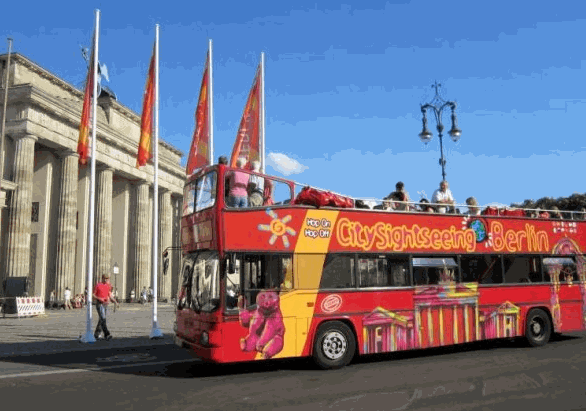
Open-top Berlin bus tour in front of the Brandenburg Gate in warmer, drier times.

Like all good visitors to a city, I took a trip on an open-top tour bus and the rain came along for the ride. By lunchtime, a stop for a Gorgonzola salad washed down by Moselle in the Café Einstein was in order and the Unter den Linden district was the highlight of the day. I returned to the hotel by taxi because rain and open top buses do not mix well. It was time to prepare for the next leg of the coach trip through farmlands and forests and see the ongoing restoration of towns and villages.

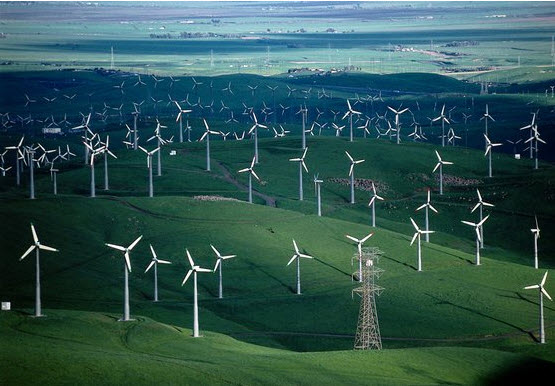
The wind farm invasion

That’s when it hit me! Fields of gargantuan wind turbines ruptured the tranquil prairie landscape of wheat and crops. What’s more, only a handful seemed to be working. It would have been easier to accept these eyesores, if they were actually working and doing some good. Fortunately, the journey was punctuated with woodland and forests that helped soften the landscape.

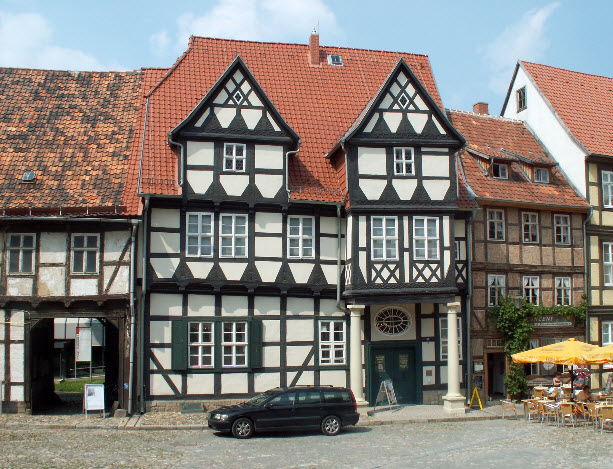
Quedlinburg’s half-timbered medieval architecture

It was a relief to arrive in Stendal north Saxony. Days later it was destination Quedlinburg with its castles, medieval architecture and 1200 conserved half-timbered houses, which lead to the town’s addition to the World Heritage List. English was not spoken here with the exception of our guide – a monk with a perfect command of the Queen’s English! Turned out his guise was for the tourists and not for the ‘Love of God’ as he was not from the local monastery. As we drove through the vast forested regions of the Harz mountain range, I realized how essential rain was to their survival.

Still, the wind turbines continued to invade the otherwise picturesque landscapes.

And then it dawned on me – how powerless we are against the elements! We plant fields of wind turbines in the hope of making an impact on the world’s climate. Maybe, just maybe, if every nation on the planet cultivated wind farms the size of counties; we might just generate enough energy to reduce carbon emissions… a little. That is, as long as there is wind. The scale needed for wind farms to have any impact is frightening.

Back in sodden England, (with all my personal effects) “Mary, Mary quite contrary” realises that it is not “silver bells, cockle shells and maidens all in a row” that makes her garden grow… it is RAIN, which helps put things into perspective.

Read Full Post »

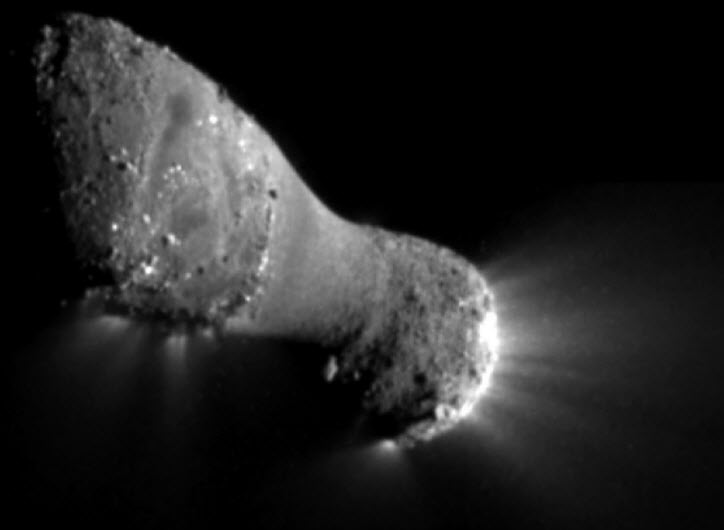
Comet Hartley 2, the first comet confirmed to contain ocean-like water in 2011.

Whether the origins of earth’s water is from meteorites, comets, photolysis, or existing hydrous minerals, there is no escaping the fact that it is a finite and diminishing natural resource upon which future wars will be waged.

So it came to me as something of a surprise to read recently about a new fad – “water diets“, encouraging us to drink frequently and more than replace the 2-3 bucket loads our bodies lose every week. The cold water hitting the system causes calories to burn as the body reheats. Such dieting doesn’t limit food consumption nor does it require exercise! Let’s hope it doesn’t catch on.

Can someone in the WHO “join the dots” and explain that this may lead to fitter human beings short term, but to humanity’s certain long term demize?

Forget the fad, if you are not exercising regularly, you are probably never going to sustainably lose weight. Exercise plays a very important role in weight loss, with a good stiff walk ranking among the highest forms. Not only does it help lose weight, but it also helps strengthen the heart, improve lung capacity, tones the muscles, increases strength and stamina and in general exercises the entire body. That is as long as you walk fast and far enough to burn calories.

Read Full Post »

« Newer Posts - Older Posts »