Feeds:
Posts
Comments

Archive for the ‘Local news’ Category

Postman dogLetterboxes are sometimes the bane of the postman/woman.

Why? Well, those forms of correspondence that require extra shove, provide silent, but aggressive canines a great opportunity to snap with the force of a crocodile. It’s a bigger problem than you might think. Apologetic owners usually reveal themselves smugly with dog-in-hand the following day. They caution the postman to be more careful next time. Silence is not always “golden”.

Last week I witnessed such an event. Blood is cheap! Fore (four?) fingers withdrawn in haste, ultimately leading to a rush to A & E and a long wait for treatment, leaving a painful, throbbing protrusion. All caused by a seemingly cute little tail wagging dog… Fashionable dogs can be so aggressive.

On average around nine postmen and women a day are attacked by dogs across the UK with over 3,300 attacks taking place from April 2013 to April 2014, an 8 per cent increase on the previous year. Some of the injuries are horrific. New legislation means owners can now be prosecuted for dog attacks that take place on private property. Dog owners that alarm postmen face criminal prosecution since October 20, 2014 with fines of up to £20,000 or the prospect of theirs pets being seized. So dog owners beware, the postman is biting back! The Royal Mail last year launched a Dog Awareness Week to raise visibility of the problem.

The private letterbox dates back to 1849, when the Royal Mail first encouraged people to install their own letterboxes to facilitate the delivery of mail. Before then, letterboxes of a similar design had been installed in the doors and walls of post offices for people to drop off outgoing mail. An example of such a wall box (originally installed in the wall of the Wakefield Post Office) is dated 1809 and believed to be the oldest example in Britain.  It is now on display at the new Wakefield Museum.

Postmen will be glad to learn that they have nothing more to fear from my letterbox than a slight need for maintenance.
Read Full Post »

I would like to express my sincere thanks to Douglas and the team that so diligently supported me in the field and especially to those that voted for me. A very special mention to David Davies for his support and to David Cameron. Their hard fought campaigns and spectacular victories made it all possible.

Now it’s down to work.


Victory 2015

Read Full Post »

Rats are revered for their intelligence

Rats – revered for their intelligence

The English dictionary describes “the rat” as a rodent resembling a large mouse – both considered serious pests capable of passing on disease. The average lifespan of a wild rat is about a year due to predation. The common species are opportunistic – mostly living near humans. They cause substantial food loss in developing countries.

After just watching a TV programme about pest control, I was amazed at how quickly they can multiply. Junk piling up in sheds and gardens provides a natural habitat for “nasty” rats. That made me observe my immediate neighbourhood more closely, which on the surface seems neat and tidy but on closer inspection with my new-found knowledge is a potential haven for rats.

Pied Piper of Hamelin - said to be based on a true story. Stained glass Hamelin church window.

Stained glass Hamelin church window depicting the Pied Piper of Hamelin – said to be based on a true story.

This put me in mind of the 16th century “Pied Piper of Hamelin”  folklore about that German city’s rat problem. The rat catcher’s magic pipe lured away the vermin, but when the citizenry refused to pay him, he retaliated angrily by turning his pipe’s magic powers on the children. Some say he returned the children after being paid, others that he took them to a beautiful land. The earliest known record of the story is within the church of Hamelin itself – depicted in its stained glass window.

That made me wonder – are rats musically inclined? Experiments have shown that music stimulates their ability to reason. Maybe there is something to the story – they are, after all, revered for their intelligence and have demonstrated compassion – arguably more than humans.

Laboratory rats have also proven valuable in psychological learning studies and other mental processes. Their ability to learn means they get used in problem solving tasks and simple avoidance conditioning. A good example of how useful rats can be is in Africa, where they are trained to detect landmines and can even detect tuberculosis by sense of smell.

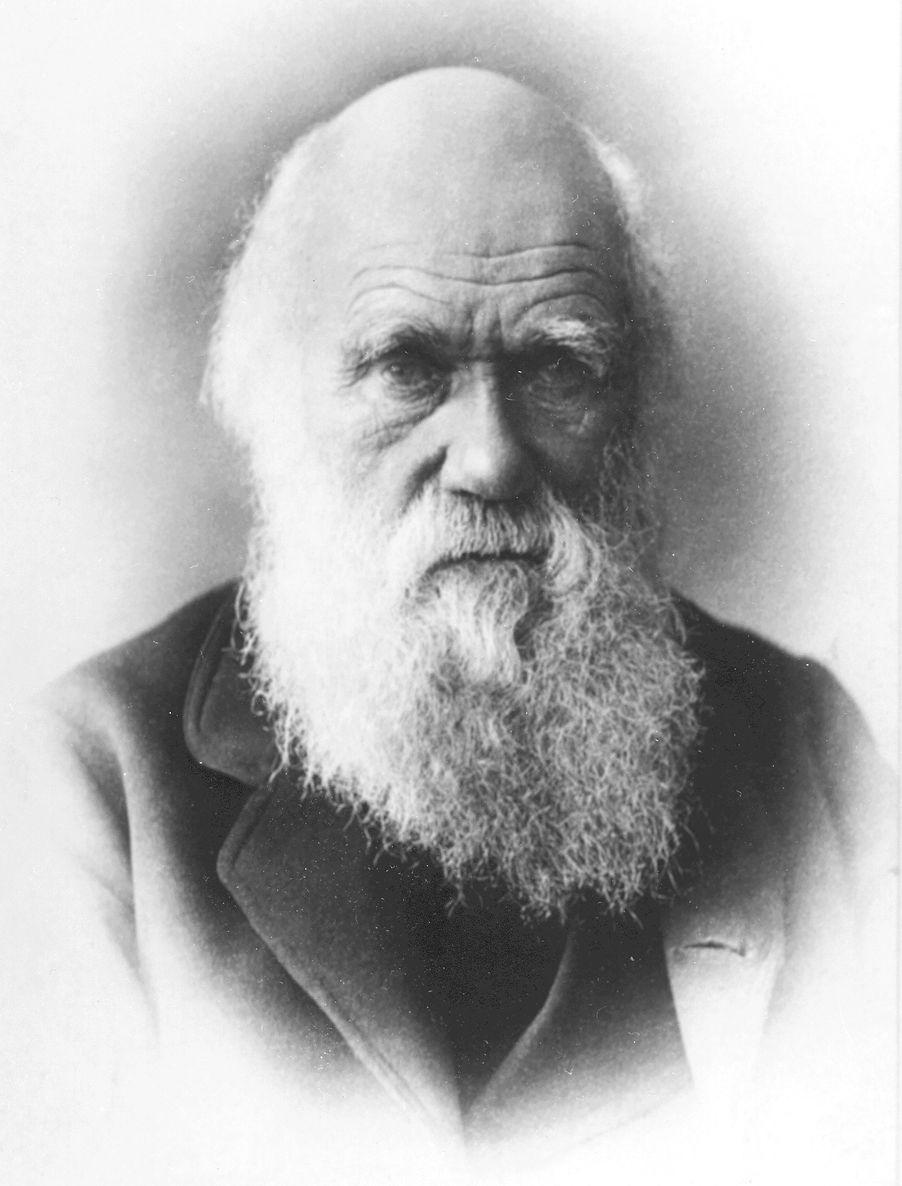
darwin

Charles Darwin, 1809 – 1882. Author of “The Origin of Species”

As Darwin illustrated so profoundly – any being is the product of its environment. In junk, rats are pests. In the right hands, they save human lives.

Read Full Post »

Little Aimee

In 2010, little Aimee fell in dog’s mess and wiped her eye. Quick intervention from doctor’s saved her life, but she is now partially blind.

Dog’s mess. A subject I’ve written about before. Dog excrement is a real public health hazard. It contains bacteria that can cause stomach upsets. Young children are particularly at risk due to their weaker immune systems as poor little Aimee here will attest to.

Unfortunately, the problem isn’t going to solve itself. Irresponsible dog owners that lead their pets down snickets have found it all too easy to soil the public highways. Too many snickets in Anlaby and Anlaby Common suffer from this problem – particularly on paths leading to Acre Head School. And the local residents are complaining.


dogtoiletpostcard_2_2-page-001So it’s time selfish dog owners picked up their dues – on-the-spot fines of up to £80 with a maximum of £1,000 for serious offenders. How?

The East Riding is fighting back. Dog owners – be warned. Someone may be watching you.

The East Riding has appointed wardens to patrol the problem. And the East Riding’s and Government’s dog control websites let people report uncivil dog owners and their dogs.

So the next time, dog owner’s need to keep one eye looking over their shoulder and think about that on-the-spot fine that may be headed their way.

Report dog fouling here.

Read Full Post »

I haven’t visited Hull for some considerable time – years.

When my daughters visited from Suffolk and Devon over the Christmas break we decided to pay a visit to the city centre. We were partly motivated by a much publicised pantomime that my granddaughter “Summer” wanted to see and the free parking. We all drove down Anlaby Road to Albion Street car park, which we used a lot in the past.

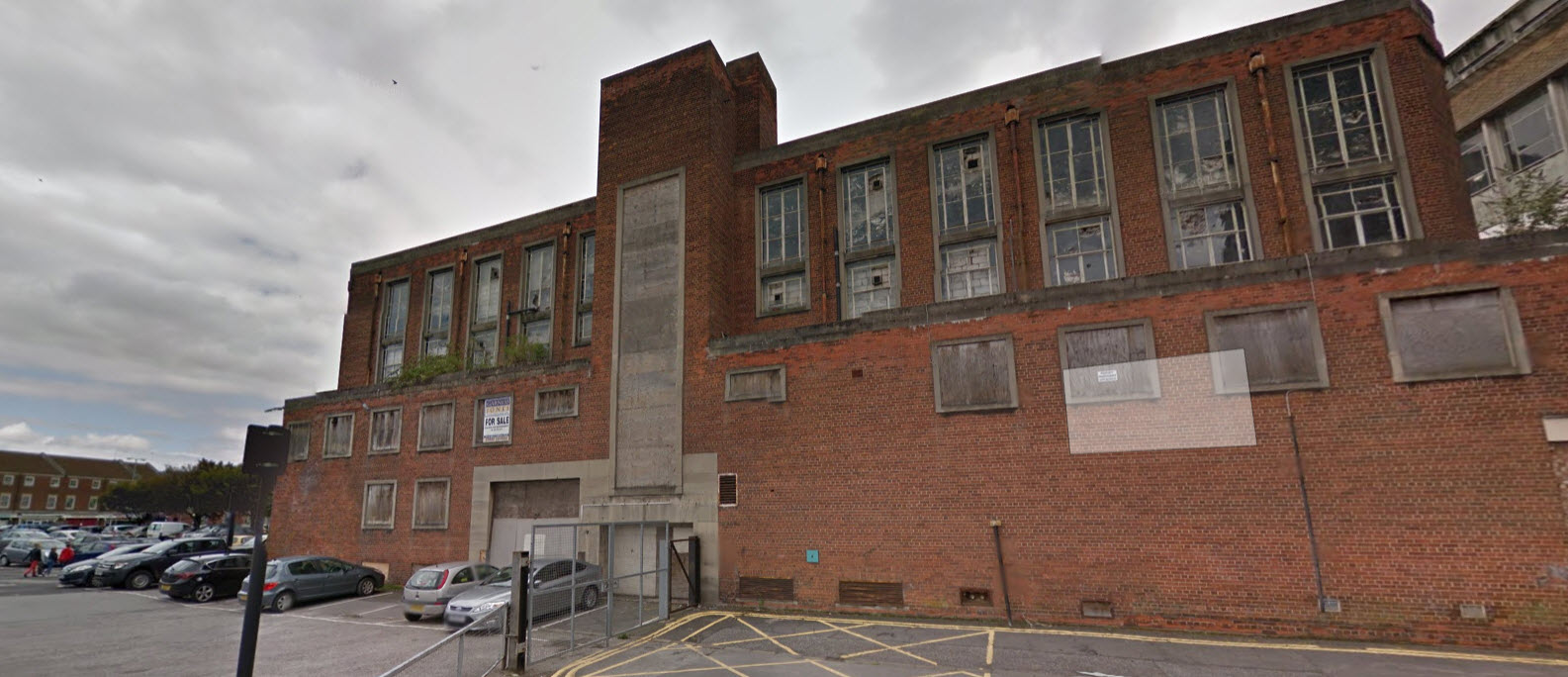
Albion street car park and its derelict buildings

Albion street car park and its derelict buildings

I wasn’t prepared for the shock in store! The former Edwin Davis building has become a habitat for local vermin and pigeons – how comfortable for them. Broken windows, dereliction throughout. Next to that was the former Co-op building also in a right old state of repair. Opposite Edwin Davis lays the former Police offices. Rest in peace. Is this the spectacle Hull is reserving for visitors to the ‘City of Culture’? I felt a real sense of sadness for this once bustling city I knew in the sixties, seventies and even eighties. My eldest daughter visited Russia in the eighties and made the unfortunate comparison…

Whatever has happened?  At least Scope has a decent, modern shop to encourage folk with a spare bob or two and Radio Humberside looks smart on the corner near Queens Gardens. Fortunately, Whitefriargate still appears to be thriving too.

When I see this kind of lack of development, I really wonder why Hull City Council wants to spread its wings. Why does it want to swallow other boundary areas for expansion when its own inner city has gaping areas of brown field sites. Surely it is easier to develop inner city brown field sites than lush residential areas in the suburbs?

It’s not surprising that Hull citizens find Anlaby Retail Park such an attraction!

Read Full Post »

Basic InstinctIt is one thing to seduce public opinion by appealing to basic instincts with emotive, electoral promises about EU membership and immigration. It is another to be able to deliver on those promises once in power. And let’s be clear, those promising simple solutions to the above, will unlikely be able to deliver on them without doing serious damage to our economy and the fabric of our society.

Don’t get me wrong, the questions raised about EU membership and immigration are serious. They are also complex and require carefully thought solutions. I have felt for some time that the illusionary fog forming around the arguments portrayed by certain cult figures is making reasonable debate impossible.

For instance, according to last year’s University College London study “The Fiscal Effects of Immigration to the UK” by professors Christian Dustmann and Dr. Tommaso Frattini, only 0.15% of the NHS budget is lost to ‘health tourism’. Immigrants were actually net contributors for the first decade of this millenium.

The report also states that European immigrants have paid 34% more in taxes than they claim back from the state and that non-European immigrants paid 2% more. Over the same period, British citizens paid 11% less in tax than they claimed back. Immigrants are also 45% less likely to receive state benefits than British citizens and 3% less likely to live in social housing – inconvenient truths for some.

UCL Fiscal Immigration Report

Is it fair then to stigmatise and alienate these people? Are we not pouring more salt onto a wound that is already weeping? Immigrants are easy targets, because we fear the unknown and the unfamiliar – but that does not mean our fear is justified.

True, the report looks backwards, and with the shifting demographic we also need to project forwards to ensure the trend continues. My point is this:  let’s at least have a reasonable debate – based on the facts – rather than current scaremongering.

And is EU membership really a burden on the UK? This seems to me to be a very short-sighted view. The government spends less than 0.5% of GDP on its EU membership. Yet, Britain receives 52% of all its trade from member states. What would happen to the £400 billion a year trade that is today free from customs duties? Protectionism is a two-way street and the EU would certainly react by erecting barriers in the form of trade tariffs that would render our goods less attractive. That would eventually reignite unemployment. More subtle though is the intangible impact separation from the EU would have on international relations. Close trade ties between nations is the best insurance against civil strife that eventually leads to war. Most wars are fermented through some kind of trade imbalance. Did we learn nothing from history?

And what would happen to our freedom to travel, live, work, study, and retire anywhere in the EU? Would we become a more introspective nation? Would we slip down the slope that has captured Russia?

Is anyone listening to these and other arguments?

The short answer must be no. Otherwise how to explain current voting trends? It seems like the “cut the umbilical cord from Europe” answer is winning the day.

Let’s hope that recent election results are simply the manifestation of frustration rather than a deep rooted sea change in collective attitudes.

Let’s listen to all sides of the argument. If we do, common sense rather than basic instincts will prevail.

Read Full Post »

Photo copyright: Mark Adams

“Maman” by Louise Bourgeois Photo copyright: Mark Adams

I was intrigued by zoologist Dr. Tim Cockerill’s BBC4 “Spider House” programme last week, whose purpose it is to correct the bad press spiders tend to get. He is an excellent presenter and I didn’t know that he’s a local – from Sutton, east Hull.

Dr. Tim Cockerill

Dr. Tim Cockerill

The programme is very timely, as I always get several huge house spiders scuttling around the borders of the room this time of year. Not large enough to cast shadows though! Now I know they’re shopping for a male to further the species and also provide a post-coital supper.

It brings to mind the more than 10 meter, eye-catching spider that sits in front of the Tate Modern suitably named “Maman”; the work of French-born artist Louise Bourgeois.

There’s a second giant spider in Liverpool, this time called “La Princesse”, created by another French artist François Delarozière, commissioned to inaugurate their year as cultural capital in September 2008.

La Princesse by Delarozière Photo copyright: Matthew Andrews

La Princesse by Delarozière
Photo copyright: Matthew Andrews

That one is 15 meters high, weighs 37 tonnes and is made from reclaimed steel and poplar wood.

It’s interesting to see how arachnids capture the imagination, usually in some form of anxiety. As Dr. Tim Cockerill points out, they are neither monstrous nor scary.

Which leads me to my next thought, I wonder what Hull has in mind to mark its City of Culture year in 2017. Perhaps Hull’s very own zoologist, Dr. Tim can advise them!

Read Full Post »

Ageing House of Lords

If the House of Lords were representative of the British workforce, the average age of a worker would be 69

Ageism could materialise as an important issue in the 2015 local government elections. According to the last census, over 16% of the electorate are over 65. When you think how tight run elections are these days, that’s a significant number that can swing a vote.

In the UK, laws against ageism are fairly recent. Age discrimination laws were brought into force in October 2006 and can now be found in the Equality Act 2010. This implements the European Commission’s Equal Treatment Framework Directive passed in 2000 and protects people against direct discrimination. There is also a provision in the Equality Act 2010 to prohibit Age Discrimination in the provision of goods and services. All of this legislation hasn’t withheld the rise in the number of complaints and claims however. Cases are expected to reach 15,000 by 2015!

The world’s population is aging, due to falling birth rates and increasing longevity. Here in the UK, the number of people aged 60 and above is expected to increase by 17 percent by 2020, while the number of under-16s is expected to increase by just 7 percent. Contrary to what you might think, this aging trend shouldn’t be a problem – if we get creative, it could actually represent a significant economic opportunity.

Areas that can benefit are i) education for those looking to refresh skills,  ii) the leisure, tourist and entertainment industries, iii) wellness and health spending, and iv) mobile IT health services, to name just a few. Whose going to pay for that? How about lifelong financial services such as tailored equity releases and health insurance?

I only hope that those who discriminate will live long enough to taste their own medicine. Only then will they fully understand the true feelings of the “older generation”. It’s a generation??????????????????????????????????????? that wants to compete on an even footing rather than be denigrated. They want to be praised for their contribution and commitment to society. Many have the maturity, motivation, wealth of experience and stamina to outperform a younger workforce. They should be allowed to share their experience with the rest of society if they so choose. It is a fallacy to think that just because someone is younger, they are fitter for a particular purpose.

Take the median age in the House of Lords – currently 69; and it is an ageing population. Only 17% are below the age of 60, 50% are over 70 and 18% are over 80! If we are able to entrust the country’s legislation to these ageing professionals, surely we can apply the same reasoning to the rest of the ageing professionals and willing souls in society.

You might even say that the House of Lords is a model of how to care for the elderly.

Read Full Post »

Anlaby Primary School badgeWhat a pleasure to read “pupils are a credit to the school” – Anlaby Primary School of course, where else?!! The behaviour, attendance and participation in school activities are above average and that is a credit to parents, carers and teachers, as well as the good governance and leadership of head teacher Alan Cornwall.


Our skills-based, thematic curriculum is giving our children some fantastic learning experiences.
Alan Cornwall – Head Teacher, Anlaby Primary School.

Here are some of Ofsted’s findings:

  • From their typically average starting points, pupils achieve well to reach standards that are above average, and in writing well above average, by the time they leave at the end of Year 6.
  • Good and sometimes outstanding teaching means that the majority of pupils of all abilities and groups make at least good and, in some cases currently, outstanding progress.
  • Pupils’ skills in writing are significantly above national expectations and this is due to the innovative teaching they often receive in this area.
  • Behaviour is good and makes a significant contribution to pupils’ learning and personal development. Pupils say they feel very safe in school and they welcome their challenges through the school’s higher expectations.
  • Pupils show their whole-hearted support for the school through their above average attendance and support for school activities.
  • The senior leadership team and the governing body have led the school well through a period of change. Staff are very supportive of the new ways of working and all are contributing well to improving teaching and pupils’ achievement.

Read the full report here.

My three children, now adults of course, attended the school and have led successful professional careers, so I wish the same of current students of Anlaby Primary School.

My son Bryn was a fellow student at the school with Alan Cornwall!

Read Full Post »

Artist's impression of new public library

Artist’s impression of new public library

Congratulations to East Riding Council.  Soon Anlaby will become the “Jewel in the County” as the massive refurbishment of the Haltemprice Leisure Centre completes in autumn 2014.

To have a spanking new – refurbished – leisure centre is a major development for all to enjoy. Couple that with a state-of-the-art public library is a dream come true, particularly when you consider the library closures in other parts of the U.K.

However, there could be a “fly in the ointment” for some Anlaby residents, when the current Anlaby library closes.

Younger and older people have found the current facility friendly and handy due to its proximity.  “I just walk around the corner and I’m there”, reported one regular library-goer. To journey a wee bit further and have to cross Springfield Way from the village is a bit daunting for the young, and also tiring for seniors.

What will happen to the current site that was bequeathed to the council of the day during the 1930’s?

It is a fairly small site with a prefabricated building. Some of the suggestions have been to retain the building for social use and benefit local residents. Perhaps the prefabricated building has come to the end of its natural life – just as the prefabs did in a neighbouring city!

Read Full Post »

Older Posts »