
Rats – revered for their intelligence
The English dictionary describes “the rat” as a rodent resembling a large mouse – both considered serious pests capable of passing on disease. The average lifespan of a wild rat is about a year due to predation. The common species are opportunistic – mostly living near humans. They cause substantial food loss in developing countries.
After just watching a TV programme about pest control, I was amazed at how quickly they can multiply. Junk piling up in sheds and gardens provides a natural habitat for “nasty” rats. That made me observe my immediate neighbourhood more closely, which on the surface seems neat and tidy but on closer inspection with my new-found knowledge is a potential haven for rats.

Stained glass Hamelin church window depicting the Pied Piper of Hamelin – said to be based on a true story.
This put me in mind of the 16th century “Pied Piper of Hamelin” folklore about that German city’s rat problem. The rat catcher’s magic pipe lured away the vermin, but when the citizenry refused to pay him, he retaliated angrily by turning his pipe’s magic powers on the children. Some say he returned the children after being paid, others that he took them to a beautiful land. The earliest known record of the story is within the church of Hamelin itself – depicted in its stained glass window.
That made me wonder – are rats musically inclined? Experiments have shown that music stimulates their ability to reason. Maybe there is something to the story – they are, after all, revered for their intelligence and have demonstrated compassion – arguably more than humans.
Laboratory rats have also proven valuable in psychological learning studies and other mental processes. Their ability to learn means they get used in problem solving tasks and simple avoidance conditioning. A good example of how useful rats can be is in Africa, where they are trained to detect landmines and can even detect tuberculosis by sense of smell.
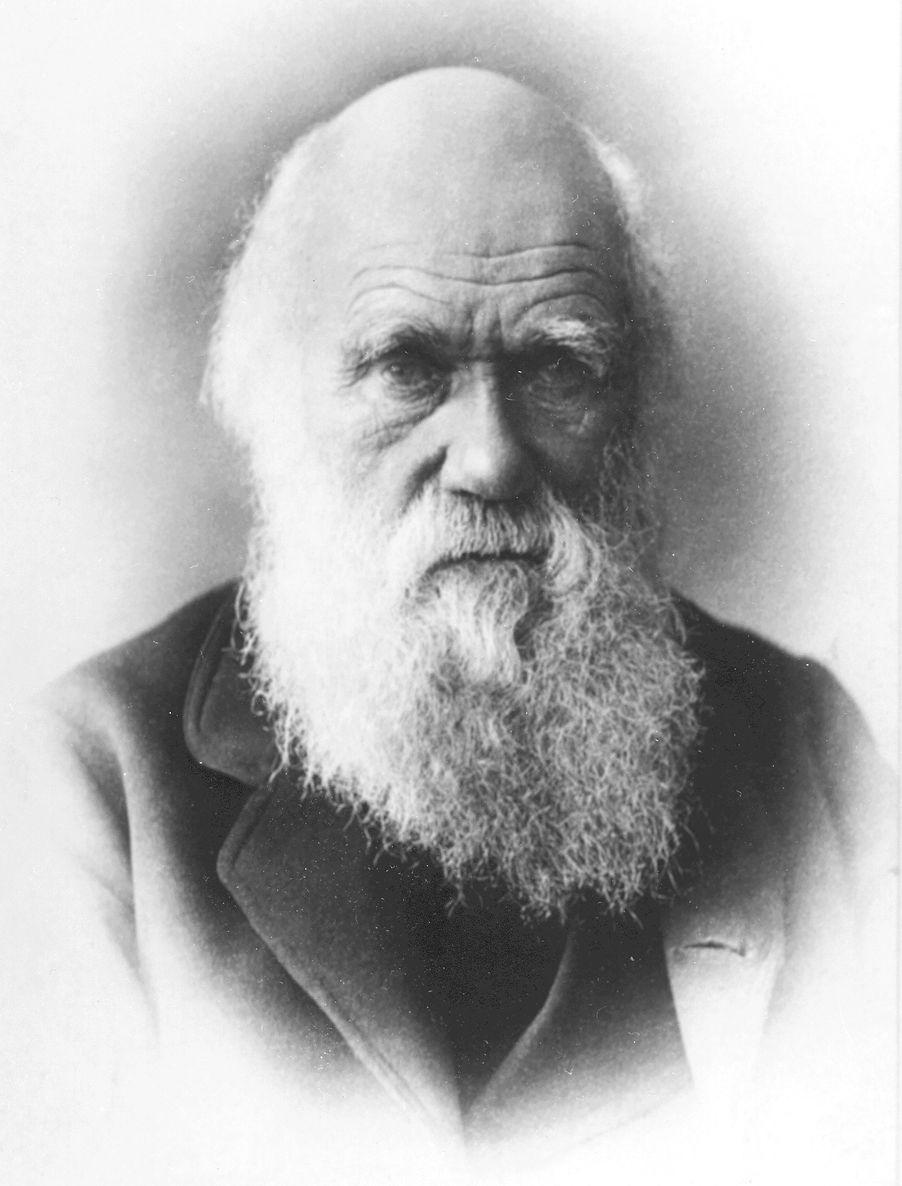
Charles Darwin, 1809 – 1882. Author of “The Origin of Species”
As Darwin illustrated so profoundly – any being is the product of its environment. In junk, rats are pests. In the right hands, they save human lives.






 Mary's Blog